

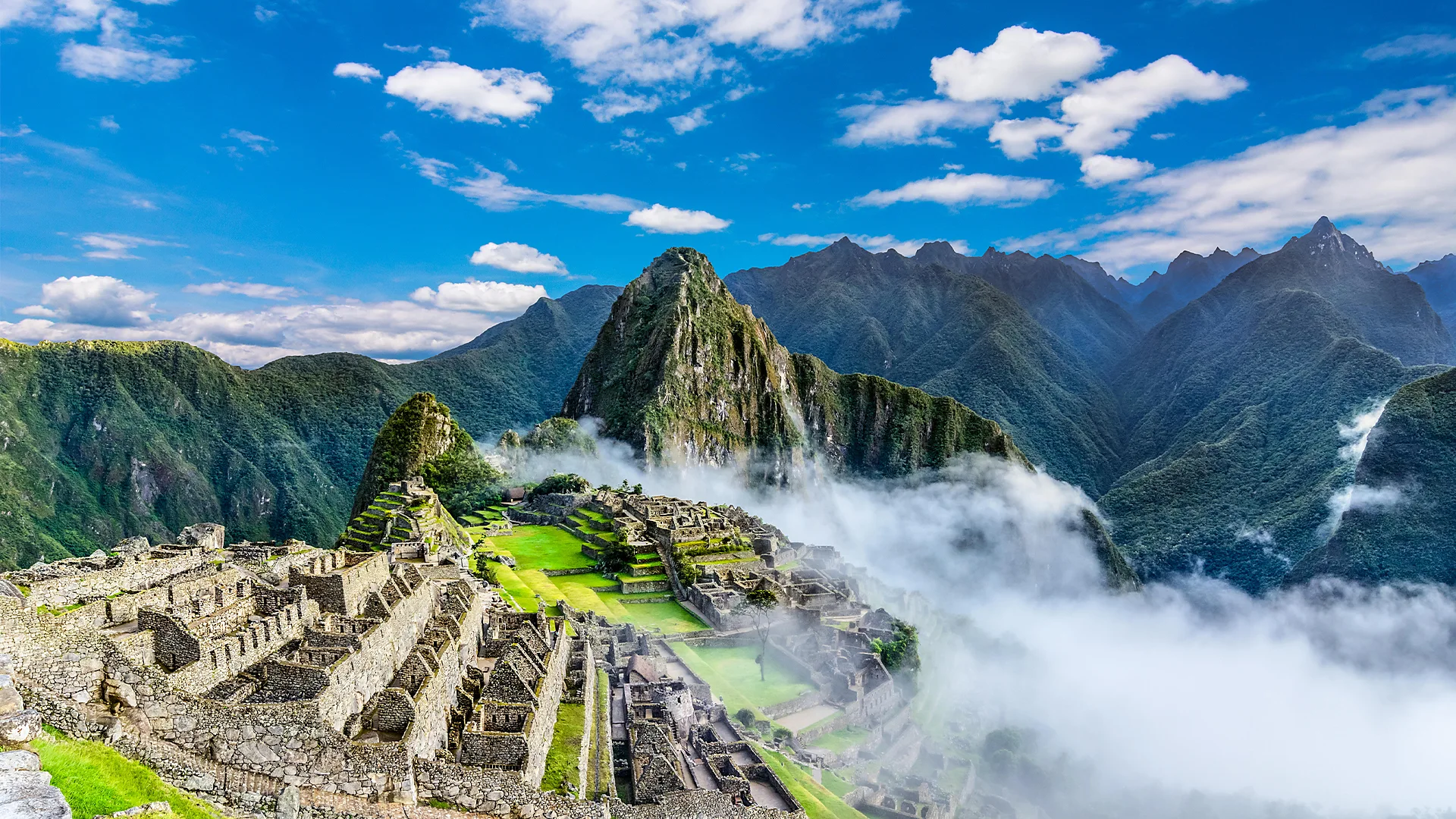
The Inca Trail to Machu Picchu is one of the world’s most breathtaking hikes, drawing thousands of adventurers each year. However, behind its stunning landscapes lies a lesser-known struggle—one involving the rights and welfare of the porters who make the trek possible.
Due to strict conservation measures, only 500 permits are issued daily, with about 200 reserved for tourists and the remaining 300 for porters and guides. Porters are essential, as mules are banned to protect the ancient stone paths. Yet, despite a 2022 law mandating fair wages and weight limits, many porters endure grueling conditions, carrying up to 40kg for low pay.
To hike ethically, choose a responsible tour operator. Look for companies that pay legal wages, enforce weight limits, and provide proper gear and sleeping arrangements for porters. Female-inclusive teams often offer better working conditions, as women tend to advocate for fair treatment. Additionally, consider alternative routes such as the Lares or Salkantay treks, which rely on pack animals instead of human porters.
Minimizing your impact also matters—pack light to reduce the burden on porters, bring a refillable water bottle, and avoid companies that prioritize heavy luxury items over ethical trekking practices.
The Inca Trail is a world treasure, but its sustainability depends on responsible tourism. As one guide put it, “Without porters, there is no Inca Trail.” By making informed choices, trekkers can help ensure this iconic journey remains both breathtaking and just