
The US Federal Aviation Administration (FAA) has permanently restricted non-essential helicopter operations around Reagan National Airport following a devastating mid-air collision in January. The move aims to enhance safety in the airspace surrounding Washington, DC.
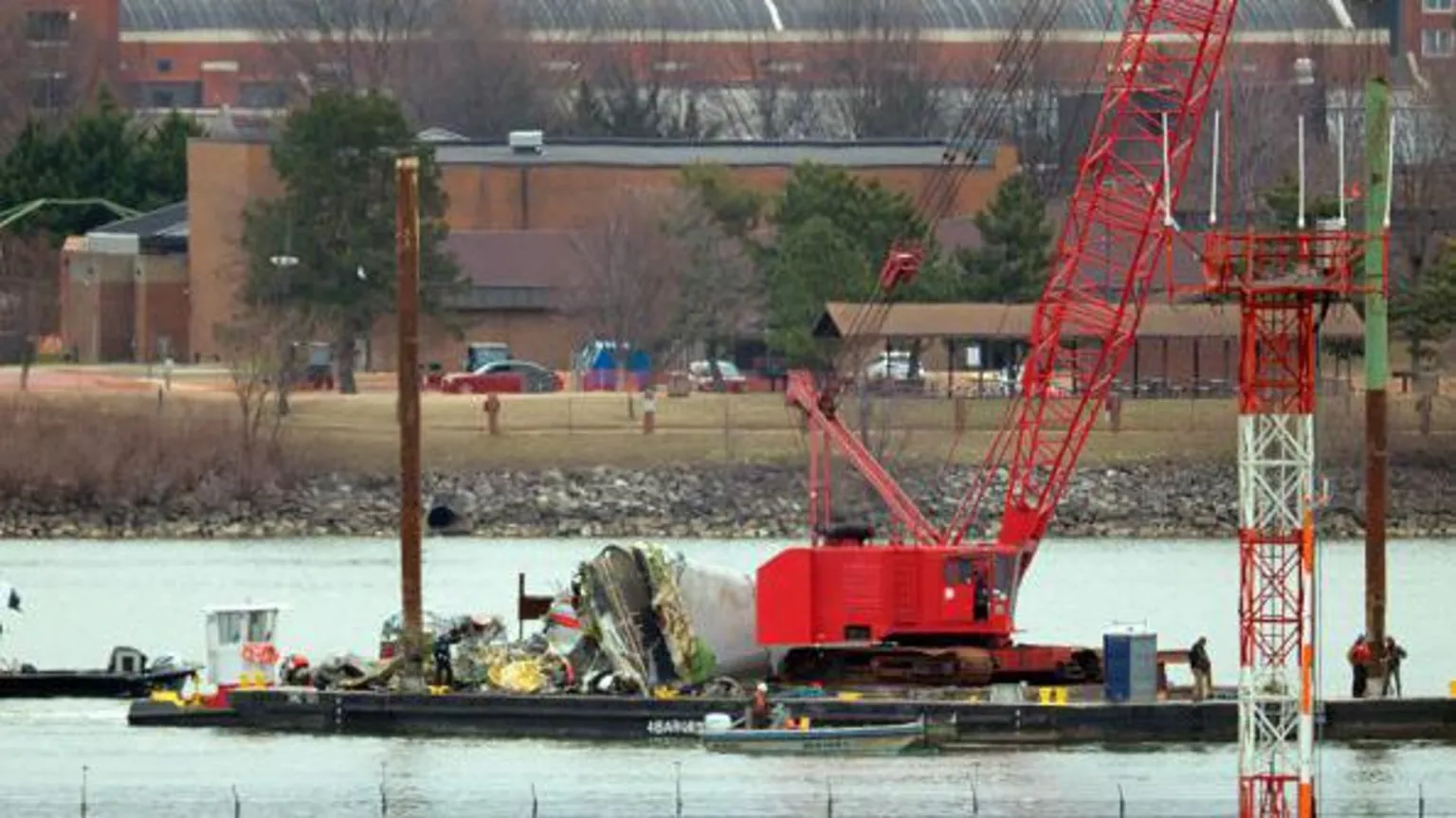
The tragedy involved a US Army Black Hawk helicopter and an American Airlines regional jet carrying 64 passengers. Both aircraft crashed near the airport, killing all 67 people on board. In response, the FAA has imposed new flight restrictions to prevent similar incidents.
Under the updated regulations, helicopters may only enter the airport’s airspace for critical missions, such as life-saving medical emergencies, law enforcement operations, or presidential transport. The agency also announced that runways 15 and 33—where the American Airlines jet was seconds from landing—will be closed to fixed-wing aircraft whenever helicopters are present nearby.
The decision follows recommendations from the National Transportation Safety Board (NTSB), which has been investigating the crash. The FAA is also reviewing helicopter flight patterns in other major US cities, including New York, Boston, Chicago, and Los Angeles, to assess potential risks.
“To improve aviation safety, we are using machine learning and data analysis to identify risk patterns in incident reports,” the FAA said in a statement.
The new measures reflect growing concerns over the safety of helicopter operations in busy urban airspaces. By limiting unnecessary flights, the FAA aims to prevent future tragedies and improve coordination between aircraft operating near Reagan National Airport.The US Federal Aviation Administration (FAA) has permanently restricted non-essential helicopter operations around Reagan National Airport following a devastating mid-air collision in January. The move aims to enhance safety in the airspace surrounding Washington, DC.
The tragedy involved a US Army Black Hawk helicopter and an American Airlines regional jet carrying 64 passengers. Both aircraft crashed near the airport, killing all 67 people on board. In response, the FAA has imposed new flight restrictions to prevent similar incidents.
Under the updated regulations, helicopters may only enter the airport’s airspace for critical missions, such as life-saving medical emergencies, law enforcement operations, or presidential transport. The agency also announced that runways 15 and 33—where the American Airlines jet was seconds from landing—will be closed to fixed-wing aircraft whenever helicopters are present nearby.
The decision follows recommendations from the National Transportation Safety Board (NTSB), which has been investigating the crash. The FAA is also reviewing helicopter flight patterns in other major US cities, including New York, Boston, Chicago, and Los Angeles, to assess potential risks.
“To improve aviation safety, we are using machine learning and data analysis to identify risk patterns in incident reports,” the FAA said in a statement.
The new measures reflect growing concerns over the safety of helicopter operations in busy urban airspaces. By limiting unnecessary flights, the FAA aims to prevent future tragedies and improve coordination between aircraft operating near Reagan Nationa